
Advanced Dermatology
Skin Resurfacing Treatment in Dubai
Transform your skin with advanced resurfacing techniques. Reduce wrinkles, scars, and sun damage for smoother, more radiant skin under the expert care of Dr. Shruti Kakar.
Expert Skin Treatment
Advanced Skin Renewal
What is Skin Resurfacing?
Skin resurfacing is one of the most effective cosmetic dermatology treatments for enhancing skin texture, tone, and overall appearance.
Skin resurfacing treatments work by removing the damaged outer layers of skin, encouraging the formation of new, healthy skin cells and stimulating collagen production. This process effectively addresses a wide range of skin concerns including fine lines, wrinkles, acne scars, sun damage, age spots, and uneven skin texture.
At our Dubai clinic, Dr. Shruti Kakar recognizes that every patient’s skin is unique. We develop personalized treatment plans tailored to your specific skin type, concerns, and desired outcomes. Whether you’re looking to address early signs of aging, correct sun damage, or improve acne scarring, our expert team ensures a comfortable and effective treatment experience.
Using state-of-the-art technology and proven techniques including laser resurfacing, chemical peels, microdermabrasion, and fractional RF therapy, we help you achieve the radiant, youthful skin you desire. Our comprehensive approach combines clinical expertise with the latest advancements in dermatological science to deliver exceptional, natural-looking results.
Why Choose Dr. Shruti Kakar for Skin Resurfacing?
✓ Board-certified dermatologist with extensive experience in advanced resurfacing techniques
✓ State-of-the-art equipment and latest technology for optimal results
✓ Personalized treatment plans customized to your unique skin needs
✓ Comprehensive consultation and transparent communication throughout your journey
✓ Proven track record of exceptional results and satisfied patients
Treatment Benefits
Transformative Results
Benefits of Skin Resurfacing
Discover how skin resurfacing can enhance your appearance and boost your confidence.
Smoother Texture
Advanced resurfacing techniques remove damaged skin layers, revealing smoother, more youthful-looking skin underneath.
Reduces Fine Lines
Stimulates collagen production to diminish wrinkles, fine lines, and age spots for a rejuvenated appearance.
Fat Reduction
Targets stubborn fat deposits and cellulite for body contouring
Hair Restoration
Promotes hair growth and strengthens hair follicles for thicker, healthier hair
Minimal Downtime
Quick, non-surgical treatment with immediate return to daily activities
Long-Lasting Results
Progressive improvements with cumulative benefits over treatment sessions
Treatment Options
Advanced Techniques
Types of Skin Resurfacing Treatments
We offer multiple resurfacing methods to address your specific skin concerns and goals.
Laser Skin Resurfacing
Uses focused light energy to precisely target specific skin layers, effectively treating wrinkles, scars, and sun damage. Stimulates collagen production for firmer, younger-looking skin.
Key Benefits:
- Precise targeting
- Minimal bleeding
- Collagen stimulation
- Customizable intensity
Chemical Peels
Applies a chemical solution to remove damaged outer layers of skin, promoting regeneration. Available in light, medium, and deep peels depending on your skin concerns.
Key Benefits:
- Treats multiple concerns
- Customizable depth
- Improves texture
- Minimal downtime for light peels
Microdermabrasion
Gently exfoliates the skin’s surface using fine crystals or a diamond tip, removing dead skin cells and promoting cellular renewal for a fresh, radiant complexion.
Key Benefits:
- Non-invasive
- No downtime
- Safe for all skin types
- Quick treatment sessions
Fractional RF Resurfacing
Combines radiofrequency energy with micro-needling to resurface skin from within, tightening tissue and smoothing texture with minimal surface damage.
Key Benefits:
- Skin tightening
- Minimal downtime
- Safe for darker skin
- Long-lasting results
Treatment Process
Professional Care
What to Expect During Your Treatment

Initial Consultation
Dr. Kakar performs a comprehensive skin analysis, discusses your concerns and goals, and recommends the most suitable treatment approach for your unique needs.

Preparation
Your skin is thoroughly cleansed and prepared. Topical anesthetics or cooling techniques may be applied to ensure your comfort during the procedure.

Treatment Application
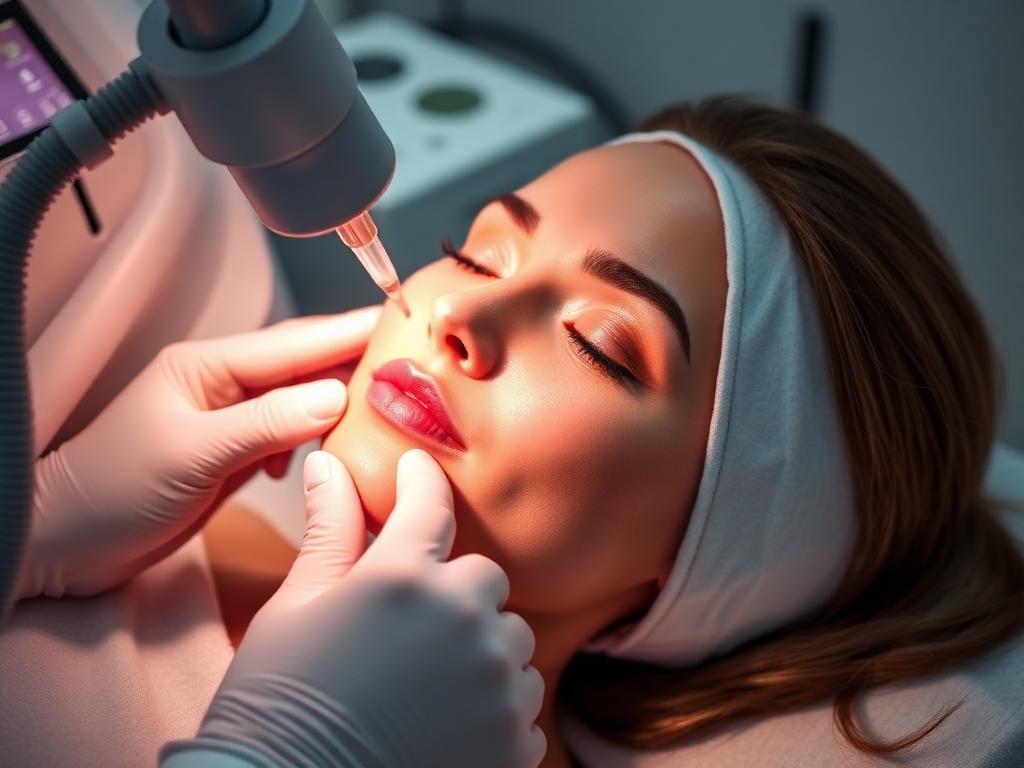
The chosen resurfacing method is carefully applied to the treatment area. Duration varies depending on the technique and area being treated, typically ranging from 30 minutes to 2 hours.

Post-Treatment Care
Soothing products are applied, and you receive detailed aftercare instructions. Dr. Kakar schedules follow-up appointments to monitor your healing and results.
Treatment Results
Visible Transformation
Achieve Radiant, Youthful Skin
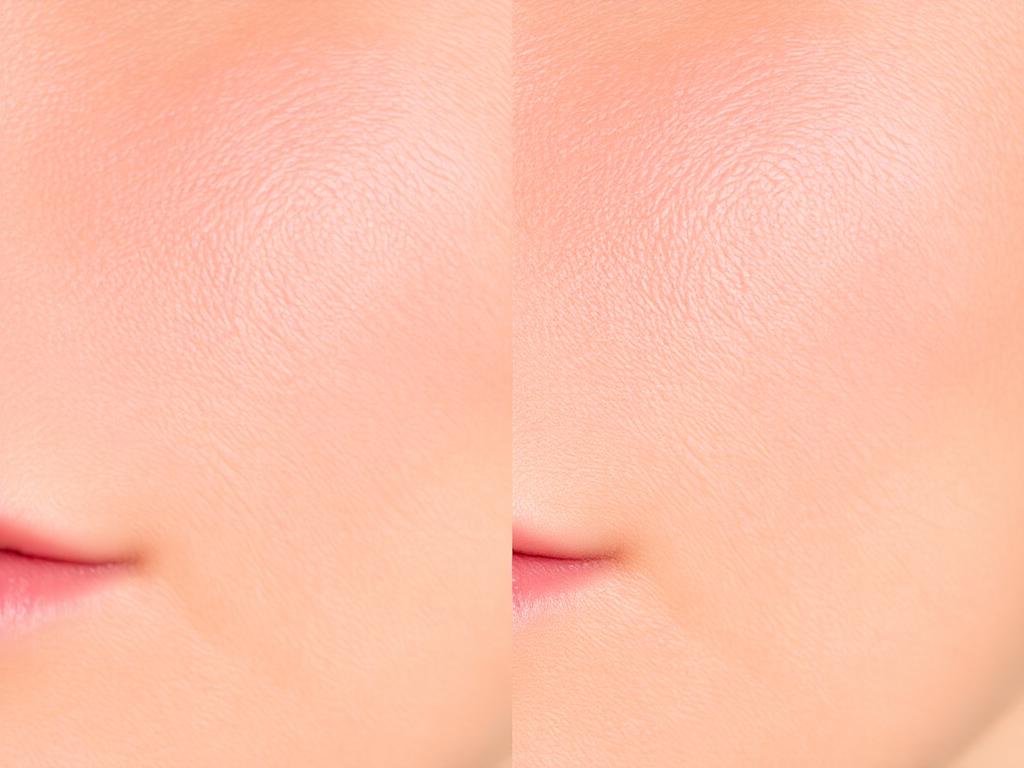
Skin resurfacing treatments deliver remarkable improvements in skin texture, tone, and overall appearance. Most patients notice initial improvements within days to weeks, with optimal results developing over 2-6 months as collagen continues to regenerate.
Expected Results:
- Visibly smoother, more refined skin texture
- Reduction in fine lines, wrinkles, and age spots
- Improved acne scars and skin irregularities
- More even skin tone and reduced pigmentation
- Firmer, more youthful-looking skin
- Enhanced natural glow and radiance
Results vary based on treatment type, skin condition, and individual healing. Dr. Kakar provides realistic expectations during your consultation and supports you throughout your transformation journey.
Expert Care
Board Certified Dermatologist
Meet Dr. Shruti Kakar
With extensive experience in aesthetic dermatology and a commitment to natural-looking results, Dr. Shruti Kakar is Dubai’s trusted choice for Botox treatments.
Board Certified Excellence
Certified dermatologist with specialized training in aesthetic procedures
1000+ Successful Treatments
Proven track record of natural, beautiful results
Premium Dubai Clinic
State-of-the-art facility in the heart of Dubai

Expert Answers
Everything You Need to Know
Frequently Asked Questions
Get expert answers to the most common questions from Dr. Shruti Kakar.
Skin resurfacing is a cosmetic dermatology procedure that removes the damaged outer layers of skin to reveal healthier, more youthful skin underneath. It works by either using laser energy, chemical solutions, or mechanical exfoliation to stimulate collagen production and promote skin regeneration. The treatment addresses wrinkles, fine lines, acne scars, age spots, and uneven skin texture.
Most skin resurfacing treatments can be adapted for different skin types, but certain methods work better for specific skin tones. Dr. Shruti Kakar carefully evaluates your skin type, concerns, and medical history to recommend the safest and most effective treatment. Fractional RF and certain laser types are particularly safe for darker skin tones.
Treatment duration varies depending on the method and treatment area. Microdermabrasion sessions typically take 30-45 minutes, while laser resurfacing or chemical peels may take 1-2 hours. Dr. Kakar will provide an accurate timeframe during your consultation based on your personalized treatment plan.
Recovery time depends on the treatment intensity. Light treatments like microdermabrasion have no downtime, while ablative laser resurfacing may require 1-2 weeks. Chemical peels vary from no downtime (light peels) to 7-14 days (deep peels). Dr. Kakar will discuss expected recovery based on your chosen treatment.
The number of sessions depends on your skin concerns and treatment type. Microdermabrasion typically requires 6-12 sessions for best results, while laser resurfacing may show significant improvement after 1-3 sessions. Chemical peels vary based on depth. Dr. Kakar creates a customized treatment schedule during your consultation.
Discomfort levels vary by treatment type. Microdermabrasion feels like gentle scratching. Chemical peels may cause tingling or burning sensations. Laser treatments can be more uncomfortable, but topical anesthetics and cooling techniques are used to maximize comfort. Most patients tolerate treatments well.
Common temporary side effects include redness, swelling, sensitivity, and peeling. More intensive treatments may cause temporary changes in skin color. Serious complications are rare when performed by an experienced professional like Dr. Kakar. All potential side effects will be discussed during your consultation.
Yes, skin resurfacing is highly effective for acne scar treatment. Laser resurfacing and medium-to-deep chemical peels can significantly improve the appearance of atrophic (depressed) acne scars by stimulating collagen remodeling and smoothing skin texture. Multiple sessions may be needed for severe scarring.
Skin resurfacing costs vary based on treatment type, treatment area size, and number of sessions required. Microdermabrasion is typically the most affordable option, while ablative laser treatments are more expensive. Dr. Kakar provides transparent pricing during your consultation, tailored to your specific treatment plan.
Ideal candidates are adults with skin concerns like wrinkles, sun damage, acne scars, or uneven texture who are in good overall health. Those with active skin infections, certain medical conditions, or unrealistic expectations may not be suitable candidates. A consultation with Dr. Kakar will determine your candidacy.
Ablative lasers remove the outer layer of skin, providing dramatic results but requiring longer recovery. Non-ablative lasers work beneath the skin’s surface without removing tissue, offering gentler treatment with less downtime but potentially requiring more sessions. Dr. Kakar helps you choose based on your goals and schedule.
Yes, skin resurfacing often pairs well with other aesthetic treatments like Botox, dermal fillers, or PRP therapy for comprehensive facial rejuvenation. Dr. Kakar can create a combination treatment plan to address multiple concerns and optimize your results. Treatment timing and sequencing will be carefully planned.
Results longevity varies by treatment type and individual factors. Microdermabrasion results may last several months with maintenance. Laser resurfacing and deep chemical peels can provide improvements lasting several years. Proper skincare, sun protection, and healthy lifestyle habits help maintain results longer.
Before treatment, avoid sun exposure and tanning for several weeks. Stop using certain skincare products like retinoids as directed. Inform Dr. Kakar about all medications and supplements. For deeper treatments, antiviral medication may be prescribed. Detailed pre-treatment instructions will be provided during your consultation.
This depends on treatment intensity. After light treatments like microdermabrasion, makeup can often be applied the next day. After more aggressive treatments, you may need to wait several days to a week before applying makeup. Mineral-based makeup is typically recommended when you resume. Dr. Kakar provides specific aftercare guidelines.
Downtime varies significantly. Microdermabrasion and light peels require no time off. Medium-depth peels may need 3-7 days. Ablative laser resurfacing might require 1-2 weeks off work. Dr. Kakar helps you plan treatment timing around your schedule and recommends appropriate treatment intensity for your lifestyle.
While skin resurfacing provides long-lasting improvements, results aren’t permanent as natural aging continues. However, the collagen remodeling and cellular regeneration triggered by treatment can provide benefits lasting years. Regular maintenance treatments, proper skincare, and sun protection help sustain results longer.
Absolutely. Skin resurfacing is highly effective for treating photodamage, including age spots, sun spots, and uneven pigmentation. Chemical peels and laser resurfacing specifically target pigmented lesions while promoting overall skin renewal. Multiple sessions may be needed for extensive sun damage.
The best method depends on your specific concerns, skin type, desired results, and acceptable downtime. Dr. Kakar performs a thorough skin analysis and discusses your goals to recommend the most appropriate treatment. Factors like budget, recovery time, and treatment aggressiveness are all considered in your personalized plan.
Before treatment, avoid retinoids, AHAs, BHAs, vitamin C serums, and other exfoliating products for at least one week (or as directed). Stop any prescription acne medications unless advised otherwise. Avoid products containing fragrance or potential irritants. Dr. Kakar provides a complete list of products to discontinue before your treatment.
Strenuous exercise should be avoided immediately after treatment to prevent excessive sweating, increased blood flow, and potential irritation. For light treatments, you may resume exercise within 24-48 hours. After more intensive procedures, wait at least 1-2 weeks. Dr. Kakar provides specific activity restrictions based on your treatment.
Initial improvements often appear within days to weeks as skin heals and begins regenerating. Optimal results develop gradually over 2-6 months as collagen remodeling continues. Light treatments show quicker but more subtle results, while deeper treatments reveal more dramatic improvements over time. Patience is important for best outcomes.
Absolutely critical. Newly resurfaced skin is highly sensitive to UV damage and at increased risk for hyperpigmentation. Broad-spectrum SPF 50+ sunscreen must be applied daily and reapplied frequently. Avoid direct sun exposure when possible and wear protective clothing and hats. Strict sun protection is essential for optimal results.
Yes, skin resurfacing treatments, particularly laser resurfacing and chemical peels, can reduce the appearance of enlarged pores by removing dead skin, stimulating collagen production, and improving overall skin texture. While pores can’t be permanently closed, they can appear significantly smaller with proper treatment and ongoing skincare maintenance.
Aftercare includes gentle cleansing with mild products, applying prescribed ointments or moisturizers, avoiding sun exposure, and not picking at peeling skin. Use only recommended skincare products. Keep skin hydrated and avoid makeup until permitted. Follow all of Dr. Kakar’s specific post-treatment instructions for optimal healing and results.
While possible, cooler months are often preferred to minimize sun exposure during healing. If treatment is necessary during summer, strict sun avoidance and protection are crucial. Dr. Kakar may recommend less aggressive treatments during high sun exposure months or ensure you can commit to rigorous sun protection protocols.
Skin resurfacing can improve melasma and hyperpigmentation, but careful treatment selection is essential as some methods may worsen pigmentation, especially in darker skin. Lighter chemical peels and specific laser wavelengths are often preferred. Dr. Kakar creates a customized approach, often combining resurfacing with other treatments and strict sun protection.
Redness is common after most resurfacing treatments. Microdermabrasion may cause mild redness lasting a few hours. Chemical peels can result in redness for several days to weeks depending on depth. Laser resurfacing may cause significant redness lasting 1-4 weeks. Cool compresses and prescribed products help manage redness during healing.
Absolutely. Skin resurfacing is equally effective for men and women. Male skin is typically thicker and oilier, which can actually benefit from resurfacing treatments. Men commonly seek treatment for acne scars, sun damage, and anti-aging. Dr. Kakar customizes treatment approaches for male patients’ specific skin characteristics and concerns.
Still Have Questions?
Our team is here to provide personalized answers and guidance for your specific needs.